Overview
Chaparral comes from a hardy desert shrub native to the arid regions of the American Southwest and northern Mexico. Recognized by its creosote-like scent and resinous leaves, Chaparral has a long history of traditional use in various cultural practices. Due to its potency, it is typically used in very small amounts and handled with respect and care.
Benefits
Traditional Desert Herb
Chaparral has been used in Indigenous and folk herbal traditions for generations, valued for its strong, resinous nature.
Distinctive Aroma
Its bold, smoky scent makes it a unique addition to external preparations and aromatic blends.
Potent Botanical
Chaparral is considered a very strong herb and is traditionally used sparingly and thoughtfully.
How to Use
External Use (Traditional)
- Often used in salves, oils, or washes
- Apply externally only
- Use in small amounts due to its potency
Aromatic & Cultural Use
- Used in smudging traditions
- Adds a resinous, desert-like aroma to blends
Important Note
Chaparral is a very strong herb. It is not typically used internally in modern herbal practice without guidance from a qualified professional.
Ingredients
Single Ingredient
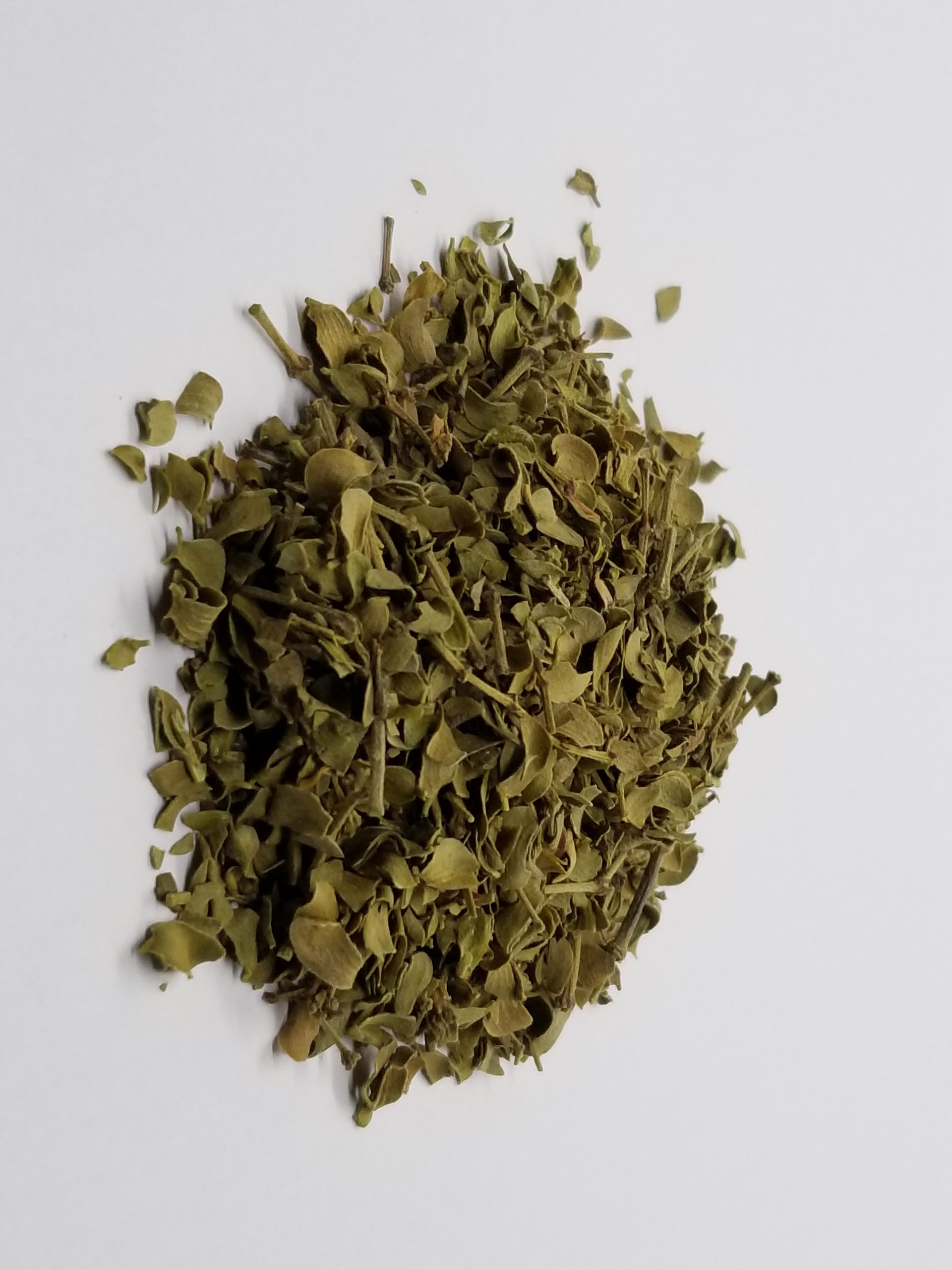
- Chaparral Leaf, Cut & Sifted, Wildcrafted
Sourcing & Quality
Origin
Wildcrafted from desert regions where chaparral naturally thrives.
Processing
Harvested with care, dried, and cut to preserve its resinous character and natural aroma.
Safety & Precautions
Chaparral is considered a high-potency herb and should be used with caution.
General Safety
For external use only unless working with a qualified practitioner.
Interactions
Consult a practitioner if taking medications or managing health conditions.
Pregnancy & Breastfeeding
Not recommended. Seek guidance from a qualified professional.
This product is not intended to diagnose, treat, cure, or prevent any disease.